Image History
Download JSON metadata for all images
(data may be delayed)
1
2
3
4
5
6
7
8
9
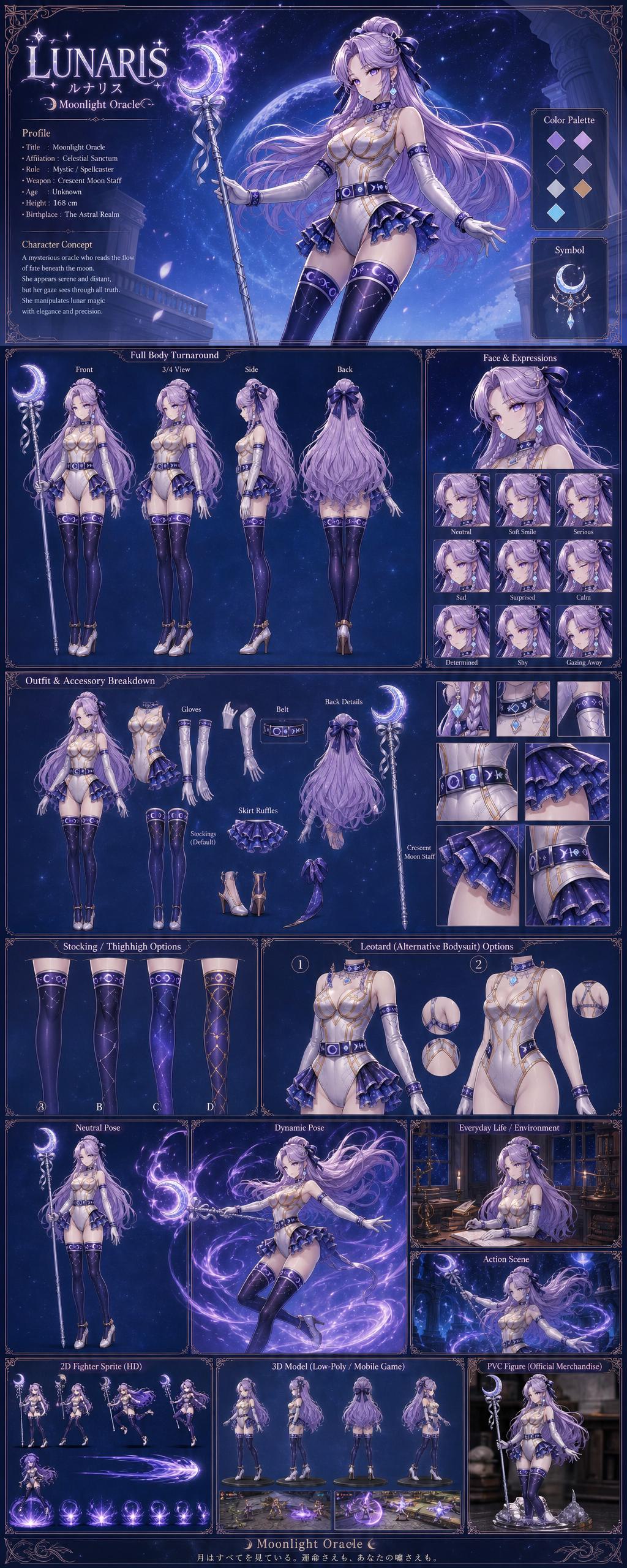
![Make a high-quality professionally-made anime-style artwork (as in posts at Pixiv and Danbooru), with a female character wearing the exact attire from the provided reference in [Image] and holding the staff from reference while posing.](https://addresses-amended-mind-citysearch.trycloudflare.com/user_content/b2845330-0329-4cc9-889f-cbd5c5e28b9a.png "Make a high-quality professionally-made anime-style artwork (as in posts at Pixiv and Danbooru), with a female character wearing the exact attire from the provided reference in [Image] and holding the staff from reference while posing.")
![Make a high-quality professionally-made anime-style artwork (as in posts at Pixiv and Danbooru), with a female character wearing the exact attire from the provided reference in [Image] and holding the staff from reference while posing.](https://addresses-amended-mind-citysearch.trycloudflare.com/user_content/0832f862-7ced-4283-b2ce-766af210de48.png "Make a high-quality professionally-made anime-style artwork (as in posts at Pixiv and Danbooru), with a female character wearing the exact attire from the provided reference in [Image] and holding the staff from reference while posing.")
![Make a high-quality professionally-made anime-style artwork (as in posts at Pixiv and Danbooru), with a female character wearing the exact attire from the provided reference in [Image] and holding the staff from reference while posing.](https://addresses-amended-mind-citysearch.trycloudflare.com/user_content/d4ff19de-9f6a-45ea-9aee-b447dddba342.png "Make a high-quality professionally-made anime-style artwork (as in posts at Pixiv and Danbooru), with a female character wearing the exact attire from the provided reference in [Image] and holding the staff from reference while posing.")
![Make a high-quality professionally-made anime-style artwork (as in posts at Pixiv and Danbooru), with a female character wearing the exact attire from the provided reference in [Image] and holding the staff from reference while posing.](https://addresses-amended-mind-citysearch.trycloudflare.com/user_content/ccc7f487-3654-4b34-acea-e385836e006a.png "Make a high-quality professionally-made anime-style artwork (as in posts at Pixiv and Danbooru), with a female character wearing the exact attire from the provided reference in [Image] and holding the staff from reference while posing.")
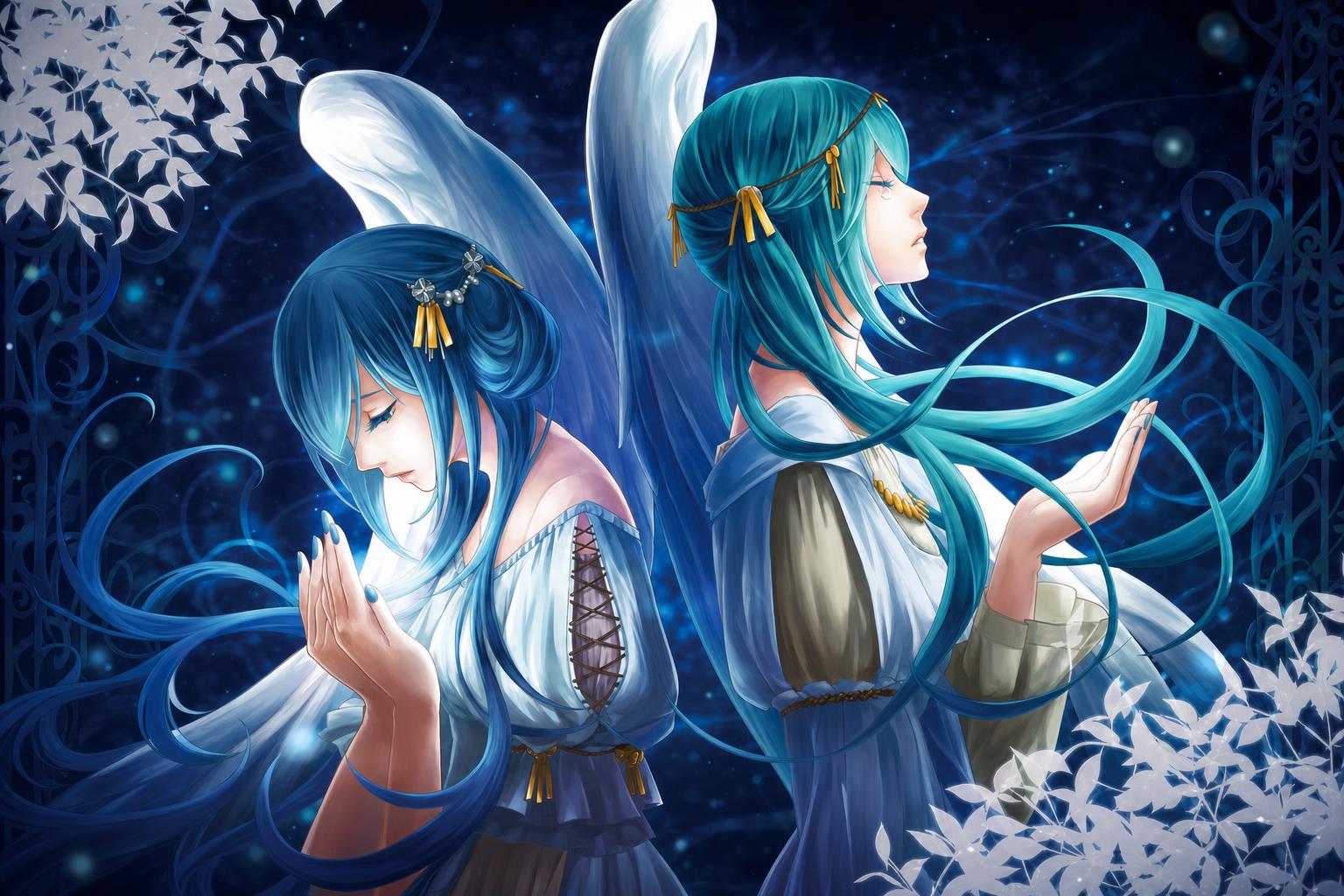
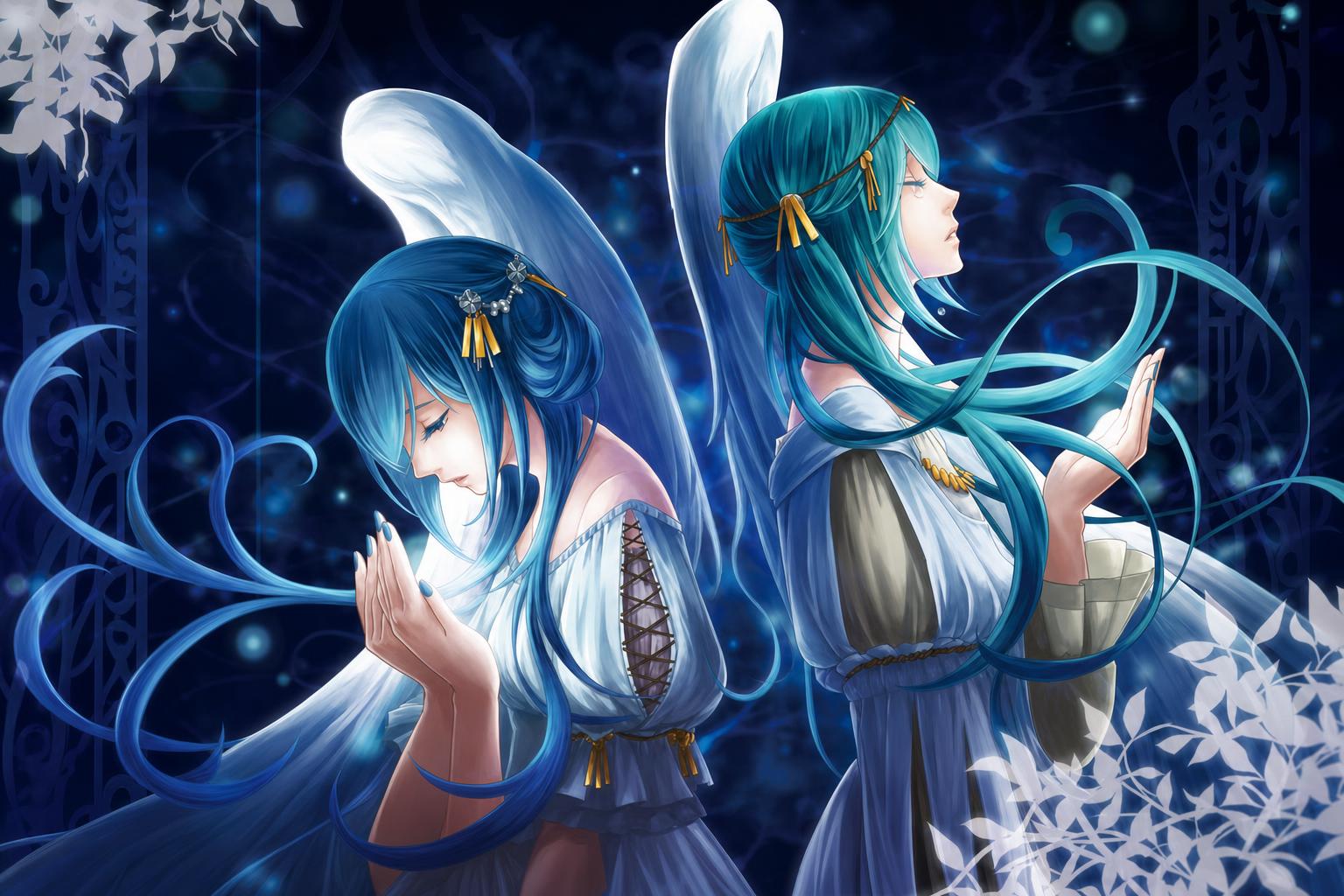
![Make a high-quality professionally-made anime-style artwork (as in posts at Pixiv and Danbooru), with four female characters posing together, wearing the exact attires from the provided references in [Image 1], [Image 2], [Image 3], and [Image 4].](https://addresses-amended-mind-citysearch.trycloudflare.com/user_content/13cb303d-ae39-46ba-930e-c1dd76192866.png "Make a high-quality professionally-made anime-style artwork (as in posts at Pixiv and Danbooru), with four female characters posing together, wearing the exact attires from the provided references in [Image 1], [Image 2], [Image 3], and [Image 4].")
![Make a high-quality professionally-made anime-style artwork (as in posts at Pixiv and Danbooru), with four female characters posing together, wearing the exact attires from the provided references in [Image 1], [Image 2], [Image 3], and [Image 4]. Implement dynamical poses, storytelling and panoramic anime-style background.](https://addresses-amended-mind-citysearch.trycloudflare.com/user_content/d88ed2da-f2ba-4598-b30a-f68e481f649a.png "Make a high-quality professionally-made anime-style artwork (as in posts at Pixiv and Danbooru), with four female characters posing together, wearing the exact attires from the provided references in [Image 1], [Image 2], [Image 3], and [Image 4]. Implement dynamical poses, storytelling and panoramic anime-style background.")
![Make a high-quality professionally-made anime-style artwork (as in posts at Pixiv and Danbooru), with four female characters posing together, wearing the exact attires from the provided references in [Image 1], [Image 2], [Image 3], and [Image 4]. Implement dynamical poses, storytelling and panoramic anime-style background.
The artstyle:
<core>
- Smooth, calculated gradient transitions from highlights to shadows
- **For background only:** Hyper-detailed rendering with photorealistic anime aesthetics
- Material Science Application: The way light interacts with the glossy parts, demonstrates understanding of Fresnel reflections, specular intensity maps, and surface roughness—rarely seen in typical anime art
- Colors are high-saturated and "idealized" rather than naturalistic
- Apply subtle color noise and organic variation of it
- The highlight placement is deliberate to emphasize the form (shape) and for sharp crisp edges between surfaces; Specular highlights that follow curved surface topology
- Consistent specular highlights for better readability of the form
- Complex subsurface scattering visible as inner glow
- Glassy reflective surfaces where applicable
- The objects aren't isolated on empty background, but are a part of larger composition with multiple focal points
- Non-centered, asymmetrical, dynamical presentation
- Environmental interaction, context, storytelling
- Each object and each details functions both as: 1) an icon/symbol; 2) a physical object
- Keep graphic design sensibility within artistic framework/workflow
- Implement seamlessly a 2000s videogame asset/UI icon aesthetic to each object and each inner/nested detail
- Organic form with subtle irregularities and organic flow (where applicable)
- Depth and dimensionality are crucial
- Visible internal characteristics (inclusions, color zoning) and undertones
- Warm reflections affecting perceived color
- Multiple light sources creating complex highlight patterns
- For some parts of the composition, it's soft, diffused lighting with gentle falloff; for other parts, it's harsh lighting
- Natural refractive properties bending light realistically
- Depth created by actual optical density
- Color temperature reflecting ambient lighting conditions
- Unposed, candid aesthetic
- Emotional connection through human context; Authenticity, materiality, and human experience
- Adjacent "beads or elements", with overlaps when applicable
- Immediate readability at small scale (when it's thumbnail)
- Natural perspective distortion (not orthographic)
- Dramatic Illumination with high-contrast chiaroscuro effects; Ambient illumination reflecting off surfaces
- Volumetric Light Rays with beams adding three-dimensional depth, and cinematic anamorphic lens artifacts (horizontal streaks) as in professional camera optics
- Rich, vibrant colors with enhanced contrast for one part of composition, and cinematic greyscale for other part (dichotomy "Saturated vs Monochrome")
- Complementary Color Theory imlemented widely
- Extreme further attention to surface properties by showing accurate specular highlights and reflections
- Intimate, accessible presentation (not distant/iconic)
- **Graphic impact** (visual punch)
- **Documentary value** (this specific object, this specific moment)
</core>](https://addresses-amended-mind-citysearch.trycloudflare.com/user_content/5d3da584-284c-474e-ad1a-27758e2c533e.png "Make a high-quality professionally-made anime-style artwork (as in posts at Pixiv and Danbooru), with four female characters posing together, wearing the exact attires from the provided references in [Image 1], [Image 2], [Image 3], and [Image 4]. Implement dynamical poses, storytelling and panoramic anime-style background.
The artstyle:
<core>
- Smooth, calculated gradient transitions from highlights to shadows
- **For background only:** Hyper-detailed rendering with photorealistic anime aesthetics
- Material Science Application: The way light interacts with the glossy parts, demonstrates understanding of Fresnel reflections, specular intensity maps, and surface roughness—rarely seen in typical anime art
- Colors are high-saturated and \"idealized\" rather than naturalistic
- Apply subtle color noise and organic variation of it
- The highlight placement is deliberate to emphasize the form (shape) and for sharp crisp edges between surfaces; Specular highlights that follow curved surface topology
- Consistent specular highlights for better readability of the form
- Complex subsurface scattering visible as inner glow
- Glassy reflective surfaces where applicable
- The objects aren't isolated on empty background, but are a part of larger composition with multiple focal points
- Non-centered, asymmetrical, dynamical presentation
- Environmental interaction, context, storytelling
- Each object and each details functions both as: 1) an icon/symbol; 2) a physical object
- Keep graphic design sensibility within artistic framework/workflow
- Implement seamlessly a 2000s videogame asset/UI icon aesthetic to each object and each inner/nested detail
- Organic form with subtle irregularities and organic flow (where applicable)
- Depth and dimensionality are crucial
- Visible internal characteristics (inclusions, color zoning) and undertones
- Warm reflections affecting perceived color
- Multiple light sources creating complex highlight patterns
- For some parts of the composition, it's soft, diffused lighting with gentle falloff; for other parts, it's harsh lighting
- Natural refractive properties bending light realistically
- Depth created by actual optical density
- Color temperature reflecting ambient lighting conditions
- Unposed, candid aesthetic
- Emotional connection through human context; Authenticity, materiality, and human experience
- Adjacent \"beads or elements\", with overlaps when applicable
- Immediate readability at small scale (when it's thumbnail)
- Natural perspective distortion (not orthographic)
- Dramatic Illumination with high-contrast chiaroscuro effects; Ambient illumination reflecting off surfaces
- Volumetric Light Rays with beams adding three-dimensional depth, and cinematic anamorphic lens artifacts (horizontal streaks) as in professional camera optics
- Rich, vibrant colors with enhanced contrast for one part of composition, and cinematic greyscale for other part (dichotomy \"Saturated vs Monochrome\")
- Complementary Color Theory imlemented widely
- Extreme further attention to surface properties by showing accurate specular highlights and reflections
- Intimate, accessible presentation (not distant/iconic)
- **Graphic impact** (visual punch)
- **Documentary value** (this specific object, this specific moment)
</core>")
![Make a high-quality professionally-made anime-style artwork (as in posts at Pixiv and Danbooru), with four female characters posing together, wearing the exact attires and hairstyles from the provided references in [Image 1], [Image 2], [Image 3], and [Image 4]. Implement dynamical poses, storytelling and panoramic anime-style background, anime-stylized faces with beautiful fine-detailed eyes.
The artstyle:
<core>
- Smooth, calculated gradient transitions from highlights to shadows
- **For background only:** Hyper-detailed rendering with photorealistic anime aesthetics
- Material Science Application: The way light interacts with the glossy parts, demonstrates understanding of Fresnel reflections, specular intensity maps, and surface roughness—rarely seen in typical anime art
- Colors are high-saturated and "idealized" rather than naturalistic
- Apply subtle color noise and organic variation of it
- The highlight placement is deliberate to emphasize the form (shape) and for sharp crisp edges between surfaces; Specular highlights that follow curved surface topology
- Consistent specular highlights for better readability of the form
- Complex subsurface scattering visible as inner glow
- Glassy reflective surfaces where applicable
- The objects aren't isolated on empty background, but are a part of larger composition with multiple focal points
- Non-centered, asymmetrical, dynamical presentation
- Environmental interaction, context, storytelling
- Each object and each details functions both as: 1) an icon/symbol; 2) a physical object
- Keep graphic design sensibility within artistic framework/workflow
- Implement seamlessly a 2000s videogame asset/UI icon aesthetic to each object and each inner/nested detail
- Organic form with subtle irregularities and organic flow (where applicable)
- Depth and dimensionality are crucial
- Visible internal characteristics (inclusions, color zoning) and undertones
- Warm reflections affecting perceived color
- Multiple light sources creating complex highlight patterns
- For some parts of the composition, it's soft, diffused lighting with gentle falloff; for other parts, it's harsh lighting
- Natural refractive properties bending light realistically
- Depth created by actual optical density
- Color temperature reflecting ambient lighting conditions
- Unposed, candid aesthetic
- Emotional connection through human context; Authenticity, materiality, and human experience
- Adjacent "beads or elements", with overlaps when applicable
- Immediate readability at small scale (when it's thumbnail)
- Natural perspective distortion (not orthographic)
- Dramatic Illumination with high-contrast chiaroscuro effects; Ambient illumination reflecting off surfaces
- Volumetric Light Rays with beams adding three-dimensional depth, and cinematic anamorphic lens artifacts (horizontal streaks) as in professional camera optics
- Rich, vibrant colors with enhanced contrast for one part of composition, and cinematic greyscale for other part (dichotomy "Saturated vs Monochrome")
- Complementary Color Theory imlemented widely
- Extreme further attention to surface properties by showing accurate specular highlights and reflections
- Intimate, accessible presentation (not distant/iconic)
- **Graphic impact** (visual punch)
- **Documentary value** (this specific object, this specific moment)
</core>](https://addresses-amended-mind-citysearch.trycloudflare.com/user_content/71914eb8-8329-4e85-a667-a543e0e4075d.png "Make a high-quality professionally-made anime-style artwork (as in posts at Pixiv and Danbooru), with four female characters posing together, wearing the exact attires and hairstyles from the provided references in [Image 1], [Image 2], [Image 3], and [Image 4]. Implement dynamical poses, storytelling and panoramic anime-style background, anime-stylized faces with beautiful fine-detailed eyes.
The artstyle:
<core>
- Smooth, calculated gradient transitions from highlights to shadows
- **For background only:** Hyper-detailed rendering with photorealistic anime aesthetics
- Material Science Application: The way light interacts with the glossy parts, demonstrates understanding of Fresnel reflections, specular intensity maps, and surface roughness—rarely seen in typical anime art
- Colors are high-saturated and \"idealized\" rather than naturalistic
- Apply subtle color noise and organic variation of it
- The highlight placement is deliberate to emphasize the form (shape) and for sharp crisp edges between surfaces; Specular highlights that follow curved surface topology
- Consistent specular highlights for better readability of the form
- Complex subsurface scattering visible as inner glow
- Glassy reflective surfaces where applicable
- The objects aren't isolated on empty background, but are a part of larger composition with multiple focal points
- Non-centered, asymmetrical, dynamical presentation
- Environmental interaction, context, storytelling
- Each object and each details functions both as: 1) an icon/symbol; 2) a physical object
- Keep graphic design sensibility within artistic framework/workflow
- Implement seamlessly a 2000s videogame asset/UI icon aesthetic to each object and each inner/nested detail
- Organic form with subtle irregularities and organic flow (where applicable)
- Depth and dimensionality are crucial
- Visible internal characteristics (inclusions, color zoning) and undertones
- Warm reflections affecting perceived color
- Multiple light sources creating complex highlight patterns
- For some parts of the composition, it's soft, diffused lighting with gentle falloff; for other parts, it's harsh lighting
- Natural refractive properties bending light realistically
- Depth created by actual optical density
- Color temperature reflecting ambient lighting conditions
- Unposed, candid aesthetic
- Emotional connection through human context; Authenticity, materiality, and human experience
- Adjacent \"beads or elements\", with overlaps when applicable
- Immediate readability at small scale (when it's thumbnail)
- Natural perspective distortion (not orthographic)
- Dramatic Illumination with high-contrast chiaroscuro effects; Ambient illumination reflecting off surfaces
- Volumetric Light Rays with beams adding three-dimensional depth, and cinematic anamorphic lens artifacts (horizontal streaks) as in professional camera optics
- Rich, vibrant colors with enhanced contrast for one part of composition, and cinematic greyscale for other part (dichotomy \"Saturated vs Monochrome\")
- Complementary Color Theory imlemented widely
- Extreme further attention to surface properties by showing accurate specular highlights and reflections
- Intimate, accessible presentation (not distant/iconic)
- **Graphic impact** (visual punch)
- **Documentary value** (this specific object, this specific moment)
</core>")
![Make a high-quality professionally-made anime-style artwork (as in posts at Pixiv and Danbooru), with four female characters posing together, wearing the exact attires and hairstyles from the provided references in [Image 1], [Image 2], [Image 3], and [Image 4]. Implement dynamical poses, storytelling and panoramic anime-style background, anime-stylized faces with beautiful fine-detailed eyes.
The artstyle:
<core>
- Smooth, calculated gradient transitions from highlights to shadows
- **For background only:** Hyper-detailed rendering with photorealistic anime aesthetics
- Material Science Application: The way light interacts with the glossy parts, demonstrates understanding of Fresnel reflections, specular intensity maps, and surface roughness—rarely seen in typical anime art
- Colors are high-saturated and "idealized" rather than naturalistic
- Apply subtle color noise and organic variation of it
- The highlight placement is deliberate to emphasize the form (shape) and for sharp crisp edges between surfaces; Specular highlights that follow curved surface topology
- Consistent specular highlights for better readability of the form
- Complex subsurface scattering visible as inner glow
- Glassy reflective surfaces where applicable
- The objects aren't isolated on empty background, but are a part of larger composition with multiple focal points
- Non-centered, asymmetrical, dynamical presentation
- Environmental interaction, context, storytelling
- Each object and each details functions both as: 1) an icon/symbol; 2) a physical object
- Keep graphic design sensibility within artistic framework/workflow
- Implement seamlessly a 2000s videogame asset/UI icon aesthetic to each object and each inner/nested detail
- Organic form with subtle irregularities and organic flow (where applicable)
- Depth and dimensionality are crucial
- Visible internal characteristics (inclusions, color zoning) and undertones
- Warm reflections affecting perceived color
- Multiple light sources creating complex highlight patterns
- For some parts of the composition, it's soft, diffused lighting with gentle falloff; for other parts, it's harsh lighting
- Natural refractive properties bending light realistically
- Depth created by actual optical density
- Color temperature reflecting ambient lighting conditions
- Unposed, candid aesthetic
- Emotional connection through human context; Authenticity, materiality, and human experience
- Adjacent "beads or elements", with overlaps when applicable
- Immediate readability at small scale (when it's thumbnail)
- Natural perspective distortion (not orthographic)
- Dramatic Illumination with high-contrast chiaroscuro effects; Ambient illumination reflecting off surfaces
- Volumetric Light Rays with beams adding three-dimensional depth, and cinematic anamorphic lens artifacts (horizontal streaks) as in professional camera optics
- Rich, vibrant colors with enhanced contrast for one part of composition, and cinematic greyscale for other part (dichotomy "Saturated vs Monochrome")
- Complementary Color Theory imlemented widely
- Extreme further attention to surface properties by showing accurate specular highlights and reflections
- Intimate, accessible presentation (not distant/iconic)
- **Graphic impact** (visual punch)
- **Documentary value** (this specific object, this specific moment)
</core>](https://addresses-amended-mind-citysearch.trycloudflare.com/user_content/79142339-96d4-440a-be7f-cadf75785825.png "Make a high-quality professionally-made anime-style artwork (as in posts at Pixiv and Danbooru), with four female characters posing together, wearing the exact attires and hairstyles from the provided references in [Image 1], [Image 2], [Image 3], and [Image 4]. Implement dynamical poses, storytelling and panoramic anime-style background, anime-stylized faces with beautiful fine-detailed eyes.
The artstyle:
<core>
- Smooth, calculated gradient transitions from highlights to shadows
- **For background only:** Hyper-detailed rendering with photorealistic anime aesthetics
- Material Science Application: The way light interacts with the glossy parts, demonstrates understanding of Fresnel reflections, specular intensity maps, and surface roughness—rarely seen in typical anime art
- Colors are high-saturated and \"idealized\" rather than naturalistic
- Apply subtle color noise and organic variation of it
- The highlight placement is deliberate to emphasize the form (shape) and for sharp crisp edges between surfaces; Specular highlights that follow curved surface topology
- Consistent specular highlights for better readability of the form
- Complex subsurface scattering visible as inner glow
- Glassy reflective surfaces where applicable
- The objects aren't isolated on empty background, but are a part of larger composition with multiple focal points
- Non-centered, asymmetrical, dynamical presentation
- Environmental interaction, context, storytelling
- Each object and each details functions both as: 1) an icon/symbol; 2) a physical object
- Keep graphic design sensibility within artistic framework/workflow
- Implement seamlessly a 2000s videogame asset/UI icon aesthetic to each object and each inner/nested detail
- Organic form with subtle irregularities and organic flow (where applicable)
- Depth and dimensionality are crucial
- Visible internal characteristics (inclusions, color zoning) and undertones
- Warm reflections affecting perceived color
- Multiple light sources creating complex highlight patterns
- For some parts of the composition, it's soft, diffused lighting with gentle falloff; for other parts, it's harsh lighting
- Natural refractive properties bending light realistically
- Depth created by actual optical density
- Color temperature reflecting ambient lighting conditions
- Unposed, candid aesthetic
- Emotional connection through human context; Authenticity, materiality, and human experience
- Adjacent \"beads or elements\", with overlaps when applicable
- Immediate readability at small scale (when it's thumbnail)
- Natural perspective distortion (not orthographic)
- Dramatic Illumination with high-contrast chiaroscuro effects; Ambient illumination reflecting off surfaces
- Volumetric Light Rays with beams adding three-dimensional depth, and cinematic anamorphic lens artifacts (horizontal streaks) as in professional camera optics
- Rich, vibrant colors with enhanced contrast for one part of composition, and cinematic greyscale for other part (dichotomy \"Saturated vs Monochrome\")
- Complementary Color Theory imlemented widely
- Extreme further attention to surface properties by showing accurate specular highlights and reflections
- Intimate, accessible presentation (not distant/iconic)
- **Graphic impact** (visual punch)
- **Documentary value** (this specific object, this specific moment)
</core>")
![Make a high-quality professionally-made anime-style artwork (as in posts at Pixiv and Danbooru), with four female characters posing together, wearing the exact attires and hairstyles from the provided references in [Image 1], [Image 2], [Image 3], and [Image 4]. Implement dynamical poses, storytelling and panoramic anime-style background, anime-stylized faces with beautiful fine-detailed eyes.
The artstyle:
<core>
- Smooth, calculated gradient transitions from highlights to shadows
- **For background only:** Hyper-detailed rendering with photorealistic anime aesthetics
- Material Science Application: The way light interacts with the glossy parts, demonstrates understanding of Fresnel reflections, specular intensity maps, and surface roughness—rarely seen in typical anime art
- Colors are high-saturated and "idealized" rather than naturalistic
- Apply subtle color noise and organic variation of it
- The highlight placement is deliberate to emphasize the form (shape) and for sharp crisp edges between surfaces; Specular highlights that follow curved surface topology
- Consistent specular highlights for better readability of the form
- Complex subsurface scattering visible as inner glow
- Glassy reflective surfaces where applicable
- The objects aren't isolated on empty background, but are a part of larger composition with multiple focal points
- Non-centered, asymmetrical, dynamical presentation
- Environmental interaction, context, storytelling
- Each object and each details functions both as: 1) an icon/symbol; 2) a physical object
- Keep graphic design sensibility within artistic framework/workflow
- Implement seamlessly a 2000s videogame asset/UI icon aesthetic to each object and each inner/nested detail
- Organic form with subtle irregularities and organic flow (where applicable)
- Depth and dimensionality are crucial
- Visible internal characteristics (inclusions, color zoning) and undertones
- Warm reflections affecting perceived color
- Multiple light sources creating complex highlight patterns
- For some parts of the composition, it's soft, diffused lighting with gentle falloff; for other parts, it's harsh lighting
- Natural refractive properties bending light realistically
- Depth created by actual optical density
- Color temperature reflecting ambient lighting conditions
- Unposed, candid aesthetic
- Emotional connection through human context; Authenticity, materiality, and human experience
- Adjacent "beads or elements", with overlaps when applicable
- Immediate readability at small scale (when it's thumbnail)
- Natural perspective distortion (not orthographic)
- Dramatic Illumination with high-contrast chiaroscuro effects; Ambient illumination reflecting off surfaces
- Volumetric Light Rays with beams adding three-dimensional depth, and cinematic anamorphic lens artifacts (horizontal streaks) as in professional camera optics
- Rich, vibrant colors with enhanced contrast for one part of composition, and cinematic greyscale for other part (dichotomy "Saturated vs Monochrome")
- Complementary Color Theory imlemented widely
- Extreme further attention to surface properties by showing accurate specular highlights and reflections
- Intimate, accessible presentation (not distant/iconic)
- **Graphic impact** (visual punch)
- **Documentary value** (this specific object, this specific moment)
</core>](https://addresses-amended-mind-citysearch.trycloudflare.com/user_content/8036e970-22be-4153-8916-2c3652eae60e.png "Make a high-quality professionally-made anime-style artwork (as in posts at Pixiv and Danbooru), with four female characters posing together, wearing the exact attires and hairstyles from the provided references in [Image 1], [Image 2], [Image 3], and [Image 4]. Implement dynamical poses, storytelling and panoramic anime-style background, anime-stylized faces with beautiful fine-detailed eyes.
The artstyle:
<core>
- Smooth, calculated gradient transitions from highlights to shadows
- **For background only:** Hyper-detailed rendering with photorealistic anime aesthetics
- Material Science Application: The way light interacts with the glossy parts, demonstrates understanding of Fresnel reflections, specular intensity maps, and surface roughness—rarely seen in typical anime art
- Colors are high-saturated and \"idealized\" rather than naturalistic
- Apply subtle color noise and organic variation of it
- The highlight placement is deliberate to emphasize the form (shape) and for sharp crisp edges between surfaces; Specular highlights that follow curved surface topology
- Consistent specular highlights for better readability of the form
- Complex subsurface scattering visible as inner glow
- Glassy reflective surfaces where applicable
- The objects aren't isolated on empty background, but are a part of larger composition with multiple focal points
- Non-centered, asymmetrical, dynamical presentation
- Environmental interaction, context, storytelling
- Each object and each details functions both as: 1) an icon/symbol; 2) a physical object
- Keep graphic design sensibility within artistic framework/workflow
- Implement seamlessly a 2000s videogame asset/UI icon aesthetic to each object and each inner/nested detail
- Organic form with subtle irregularities and organic flow (where applicable)
- Depth and dimensionality are crucial
- Visible internal characteristics (inclusions, color zoning) and undertones
- Warm reflections affecting perceived color
- Multiple light sources creating complex highlight patterns
- For some parts of the composition, it's soft, diffused lighting with gentle falloff; for other parts, it's harsh lighting
- Natural refractive properties bending light realistically
- Depth created by actual optical density
- Color temperature reflecting ambient lighting conditions
- Unposed, candid aesthetic
- Emotional connection through human context; Authenticity, materiality, and human experience
- Adjacent \"beads or elements\", with overlaps when applicable
- Immediate readability at small scale (when it's thumbnail)
- Natural perspective distortion (not orthographic)
- Dramatic Illumination with high-contrast chiaroscuro effects; Ambient illumination reflecting off surfaces
- Volumetric Light Rays with beams adding three-dimensional depth, and cinematic anamorphic lens artifacts (horizontal streaks) as in professional camera optics
- Rich, vibrant colors with enhanced contrast for one part of composition, and cinematic greyscale for other part (dichotomy \"Saturated vs Monochrome\")
- Complementary Color Theory imlemented widely
- Extreme further attention to surface properties by showing accurate specular highlights and reflections
- Intimate, accessible presentation (not distant/iconic)
- **Graphic impact** (visual punch)
- **Documentary value** (this specific object, this specific moment)
</core>")
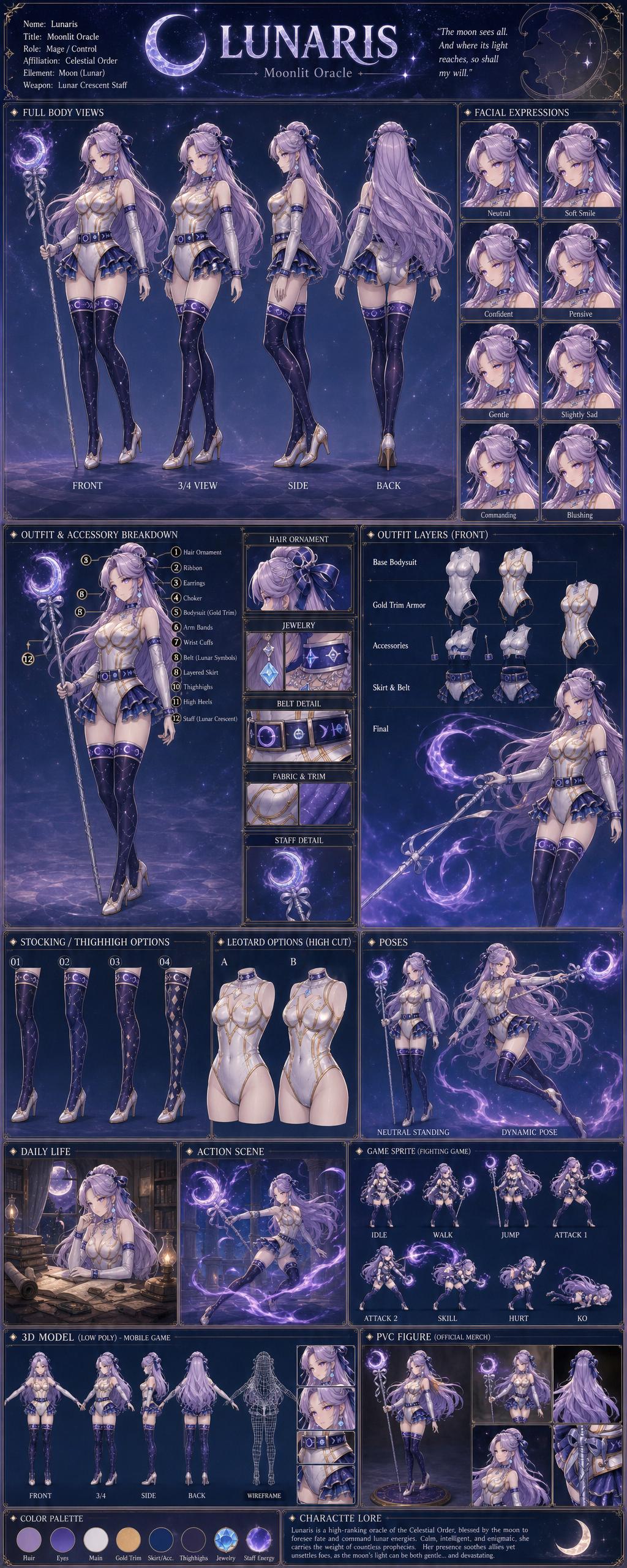
![Make a high-quality professionally-made anime-style artwork (as in posts at Pixiv and Danbooru), with two women at a lake in a forest grove, posing together, wearing the swimsuits from the references in [Image 1] and [Image 2]. Implement dynamical poses, storytelling and panoramic anime-style background, anime-stylized faces with beautiful fine-detailed eyes.
The artstyle:
<core>
- Smooth, calculated gradient transitions from highlights to shadows
- **For background only:** Hyper-detailed rendering with photorealistic anime aesthetics
- Material Science Application: The way light interacts with the glossy parts, demonstrates understanding of Fresnel reflections, specular intensity maps, and surface roughness—rarely seen in typical anime art
- Colors are high-saturated and "idealized" rather than naturalistic
- Apply subtle color noise and organic variation of it
- The highlight placement is deliberate to emphasize the form (shape) and for sharp crisp edges between surfaces; Specular highlights that follow curved surface topology
- Consistent specular highlights for better readability of the form
- Complex subsurface scattering visible as inner glow
- Glassy reflective surfaces where applicable
- The objects aren't isolated on empty background, but are a part of larger composition with multiple focal points
- Non-centered, asymmetrical, dynamical presentation
- Environmental interaction, context, storytelling
- Each object and each details functions both as: 1) an icon/symbol; 2) a physical object
- Keep graphic design sensibility within artistic framework/workflow
- Implement seamlessly a 2000s videogame asset/UI icon aesthetic to each object and each inner/nested detail
- Organic form with subtle irregularities and organic flow (where applicable)
- Depth and dimensionality are crucial
- Visible internal characteristics (inclusions, color zoning) and undertones
- Warm reflections affecting perceived color
- Multiple light sources creating complex highlight patterns
- For some parts of the composition, it's soft, diffused lighting with gentle falloff; for other parts, it's harsh lighting
- Natural refractive properties bending light realistically
- Depth created by actual optical density
- Color temperature reflecting ambient lighting conditions
- Unposed, candid aesthetic
- Emotional connection through human context; Authenticity, materiality, and human experience
- Adjacent "beads or elements", with overlaps when applicable
- Immediate readability at small scale (when it's thumbnail)
- Natural perspective distortion (not orthographic)
- Dramatic Illumination with high-contrast chiaroscuro effects; Ambient illumination reflecting off surfaces
- Volumetric Light Rays with beams adding three-dimensional depth, and cinematic anamorphic lens artifacts (horizontal streaks) as in professional camera optics
- Rich, vibrant colors with enhanced contrast for one part of composition, and cinematic greyscale for other part (dichotomy "Saturated vs Monochrome")
- Complementary Color Theory imlemented widely
- Extreme further attention to surface properties by showing accurate specular highlights and reflections
- Intimate, accessible presentation (not distant/iconic)
- **Graphic impact** (visual punch)
- **Documentary value** (this specific object, this specific moment)
</core>](https://addresses-amended-mind-citysearch.trycloudflare.com/user_content/d0d68493-3bbc-4b9d-beb0-948e93f4727c.png "Make a high-quality professionally-made anime-style artwork (as in posts at Pixiv and Danbooru), with two women at a lake in a forest grove, posing together, wearing the swimsuits from the references in [Image 1] and [Image 2]. Implement dynamical poses, storytelling and panoramic anime-style background, anime-stylized faces with beautiful fine-detailed eyes.
The artstyle:
<core>
- Smooth, calculated gradient transitions from highlights to shadows
- **For background only:** Hyper-detailed rendering with photorealistic anime aesthetics
- Material Science Application: The way light interacts with the glossy parts, demonstrates understanding of Fresnel reflections, specular intensity maps, and surface roughness—rarely seen in typical anime art
- Colors are high-saturated and \"idealized\" rather than naturalistic
- Apply subtle color noise and organic variation of it
- The highlight placement is deliberate to emphasize the form (shape) and for sharp crisp edges between surfaces; Specular highlights that follow curved surface topology
- Consistent specular highlights for better readability of the form
- Complex subsurface scattering visible as inner glow
- Glassy reflective surfaces where applicable
- The objects aren't isolated on empty background, but are a part of larger composition with multiple focal points
- Non-centered, asymmetrical, dynamical presentation
- Environmental interaction, context, storytelling
- Each object and each details functions both as: 1) an icon/symbol; 2) a physical object
- Keep graphic design sensibility within artistic framework/workflow
- Implement seamlessly a 2000s videogame asset/UI icon aesthetic to each object and each inner/nested detail
- Organic form with subtle irregularities and organic flow (where applicable)
- Depth and dimensionality are crucial
- Visible internal characteristics (inclusions, color zoning) and undertones
- Warm reflections affecting perceived color
- Multiple light sources creating complex highlight patterns
- For some parts of the composition, it's soft, diffused lighting with gentle falloff; for other parts, it's harsh lighting
- Natural refractive properties bending light realistically
- Depth created by actual optical density
- Color temperature reflecting ambient lighting conditions
- Unposed, candid aesthetic
- Emotional connection through human context; Authenticity, materiality, and human experience
- Adjacent \"beads or elements\", with overlaps when applicable
- Immediate readability at small scale (when it's thumbnail)
- Natural perspective distortion (not orthographic)
- Dramatic Illumination with high-contrast chiaroscuro effects; Ambient illumination reflecting off surfaces
- Volumetric Light Rays with beams adding three-dimensional depth, and cinematic anamorphic lens artifacts (horizontal streaks) as in professional camera optics
- Rich, vibrant colors with enhanced contrast for one part of composition, and cinematic greyscale for other part (dichotomy \"Saturated vs Monochrome\")
- Complementary Color Theory imlemented widely
- Extreme further attention to surface properties by showing accurate specular highlights and reflections
- Intimate, accessible presentation (not distant/iconic)
- **Graphic impact** (visual punch)
- **Documentary value** (this specific object, this specific moment)
</core>")
![Make a high-quality professionally-made anime-style artwork (as in posts at Pixiv and Danbooru), with two women at a lake in a forest grove, posing together, wearing the swimsuits from the references in [Image 1] and [Image 2]. Implement dynamical poses, storytelling and panoramic anime-style background, anime-stylized faces with beautiful fine-detailed eyes.](https://addresses-amended-mind-citysearch.trycloudflare.com/user_content/466a6bb8-1e81-44b6-a840-b31b35340257.png "Make a high-quality professionally-made anime-style artwork (as in posts at Pixiv and Danbooru), with two women at a lake in a forest grove, posing together, wearing the swimsuits from the references in [Image 1] and [Image 2]. Implement dynamical poses, storytelling and panoramic anime-style background, anime-stylized faces with beautiful fine-detailed eyes.")
![Make a high-quality professionally-made anime-style artwork (as in posts at Pixiv and Danbooru), with two women (with appearance of K-Pop idols/K-Pop girlband members) at a lake in a forest grove, posing together, wearing the swimsuits from the references in [Image 1] and [Image 2]. Implement dynamical poses, storytelling and panoramic anime-style background, anime-stylized faces with beautiful fine-detailed eyes.](https://addresses-amended-mind-citysearch.trycloudflare.com/user_content/cb70abea-debf-4e05-a40b-3917c8c3d0e2.png "Make a high-quality professionally-made anime-style artwork (as in posts at Pixiv and Danbooru), with two women (with appearance of K-Pop idols/K-Pop girlband members) at a lake in a forest grove, posing together, wearing the swimsuits from the references in [Image 1] and [Image 2]. Implement dynamical poses, storytelling and panoramic anime-style background, anime-stylized faces with beautiful fine-detailed eyes.")
![Make a high-quality professionally-made anime-style artwork (as in posts at Pixiv and Danbooru), with two women (with appearance of K-Pop idols/K-Pop girlband members) at a lake in a forest grove, posing together, wearing the swimsuits from the references in [Image 1] and [Image 2]. Implement dynamical poses, storytelling and panoramic anime-style background, anime-stylized faces with beautiful fine-detailed eyes.](https://addresses-amended-mind-citysearch.trycloudflare.com/user_content/48ae542a-eb1f-4035-bf3b-ab3b2f3fb7a4.png "Make a high-quality professionally-made anime-style artwork (as in posts at Pixiv and Danbooru), with two women (with appearance of K-Pop idols/K-Pop girlband members) at a lake in a forest grove, posing together, wearing the swimsuits from the references in [Image 1] and [Image 2]. Implement dynamical poses, storytelling and panoramic anime-style background, anime-stylized faces with beautiful fine-detailed eyes.")
![Make a high-quality professionally-made anime-style artwork (as in posts at Pixiv and Danbooru), with two women (with appearance of K-Pop idols/K-Pop girlband members) at a lake in a forest grove, posing together, wearing the swimsuits from the references in [Image 1] and [Image 2]. Implement dynamical poses, storytelling and panoramic anime-style background, anime-stylized faces with beautiful fine-detailed eyes.](https://addresses-amended-mind-citysearch.trycloudflare.com/user_content/195ca526-c93b-4f4b-b164-78f8e4a1931f.png "Make a high-quality professionally-made anime-style artwork (as in posts at Pixiv and Danbooru), with two women (with appearance of K-Pop idols/K-Pop girlband members) at a lake in a forest grove, posing together, wearing the swimsuits from the references in [Image 1] and [Image 2]. Implement dynamical poses, storytelling and panoramic anime-style background, anime-stylized faces with beautiful fine-detailed eyes.")